

Your Case is Our Cause
Top Pennsylvania Attorney for Portable Generator Carbon Monoxide Poisoning
Portable generators provide temporary power during blackouts, storms, and emergencies. But they are also one of the leading causes of accidental carbon monoxide (CO) poisoning deaths in the United States. Every year, families are devastated when a generator intended to bring relief instead brings tragedy.
At Schiffman Firm, LLC, we help victims of generator-related CO injuries and deaths hold manufacturers accountable for unsafe products and inadequate warnings. If you or a loved one suffered from carbon monoxide poisoning linked to a portable generator, our legal team is here to help.
Start Your Free Consultation

Portable Generator Carbon Monoxide Poisoning Resource Center
What Can We Help You With?
Why Portable Generators Are So Dangerous?
What Are Signs of CO Poisoning From Portable Generators?
What Are The Major Safety Issues with Portable Generators?
What Are Safety Tips to Prevent Generator CO Poisoning
What Are Some Real-World Cases and Statistics Regarding Portable Generator Carbon Monoxide Poisoning?
What Are My Legal Rights After Generator Carbon Monoxide Poisoning?
Frequently Asked Questions About Generator CO Poisoning Lawsuits
What Do I Do If I Get Hurt?
How to contact a personal injury attorney?
More Frequently Asked Questions
Why Portable Generators Are So Dangerous?
Portable generators run on gasoline, producing exhaust filled with carbon monoxide. This invisible, odorless, and deadly gas can accumulate within minutes in enclosed or semi-enclosed spaces.
What Are Signs of CO Poisoning From Portable Generators?
Signs of CO poisoning include:
- Headache or dizziness
- Nausea or vomiting
- Confusion, weakness, or blurred vision
- Loss of consciousness
- Death
Because CO cannot be seen or smelled, victims often have no warning until it’s too late.
Free Legal Consultation
What Are The Major Safety Issues with Portable Generators?
Excessive Carbon Monoxide Emissions
A portable generator can emit hundreds of times more CO than a car’s exhaust, making it one of the most hazardous consumer products sold today.
Lack of Effective Warnings
Many manufacturers fail to provide clear, prominent warnings about CO risks. Instructions are often buried in manuals or displayed in small print, leaving consumers unaware of the real danger.
This Is Your Eyebrow Text
What Are Safety Tips to Prevent Generator CO Poisoning
While product design and labeling should be safer, consumers can take precautions:
- Never use a generator indoors — including garages, basements, crawlspaces, or sheds.
- Place generators at least 20 feet away from doors, windows, and vents, with the exhaust facing away from the home.
- Install battery-operated CO detectors inside your home, especially near sleeping areas.
- Do not use generators under covered porches or carports, even if they’re “outside.”
- Follow weather alerts and seek safe shelter if outages last for days.
Remember: These safety tips reduce—but do not eliminate—the danger. Generators remain inherently risky, and safer designs are possible.
What Are Some Real-World Cases and Statistics Regarding Portable Generator Carbon Monoxide Poisoning?
- Hurricane Beryl (Texas, 2024): At least 2 deaths and nearly 400 hospitalizations from generator-related CO poisoning during widespread power outages.
- Buffalo Blizzard (New York, 2022): Several storm-related deaths were tied to generators running in enclosed spaces during the multi-day blackout.
- Houston Derecho (2024): At least one confirmed generator-related CO death; many others hospitalized.
- National Statistics (CPSC, 2012–2022): 872 CO deaths from engine-driven tools; 749 (86%) were caused by portable generators.
- Average Annual Toll: Portable generators are responsible for about 100 U.S. deaths every year, plus thousands of emergency room visits.
Various news outlets, including NPR have covered the hidden dangers of carbon monoxide poisoning caused by portable generators.
What Are My Legal Rights After Generator Carbon Monoxide Poisoning?
If you or a family member has suffered due to a generator CO injury or death, you may have a valid legal claim. Possible claims include:
- Product liability lawsuits for unsafe design or defective warnings
- Wrongful death claims for families who have lost loved ones
- Compensation for medical bills, lost wages, and pain and suffering
At Schiffman Firm, LLC, our attorneys have the knowledge and dedication to investigate these cases and fight for the justice you deserve. If you or a loved were injured from by carbon monoxide poisoning caused by a portal generator, contact us for a free evaluation of your case.
Frequently Asked Questions About Generator CO Poisoning Lawsuits
Who can be held liable if a portable generator caused injury or death?
Both the manufacturer and the store or retailer that sold the generator may be liable. Manufacturers are responsible for designing safe products and providing adequate warnings. Retailers can also be held accountable for selling defective or unreasonably dangerous products.
Can I sue if my loved one died from generator-related carbon monoxide poisoning?
Yes. Families can pursue a wrongful death lawsuit to recover damages for medical expenses, funeral costs, lost future income, and loss of companionship.
What types of compensation are available?
Victims and families may recover for medical bills, lost wages, permanent disability, pain and suffering, emotional distress, and in some cases, punitive damages if the company’s conduct was reckless.
Do I need to prove I used the generator correctly?
Not necessarily. Even when consumers follow instructions, portable generators can still be unsafe. If warnings were inadequate or the product was defectively designed, you may still have a valid claim.
How long do I have to file a claim?
Time limits (statutes of limitations) vary by state, but it’s important to contact an attorney as soon as possible to protect your rights.
Frequently Asked Questions
What Do I Do If I Get Hurt?
If you or a loved one has suffered carbon monoxide poisoning caused by a portable generator seek medical attention immediately. Be sure to keep a record of all doctor’s notes and medical bills. Once the situation has settled, contact a personal injury law firm, like Schiffman Firm, LLC for a legal evaluation of your case.
Legal Services in Pittsburgh, Pennsylvania
What Can Our Team Help You With Today?
From personal injury to product liability - Schiffman Firm has the legal expertise and experience to take on a wide variety of cases with a proven track record of delivering results for their clients.
Our attorneys are always ready to listen to your case. Contact us today for a free review of your case - you don't pay anything for our legal services unless you win your case.


Personal Injury
Schiffman Firm handles all types of personal injury cases including:
Car, Truck, and SUV Accidents
Motorcycle and ATV Accidents
Medical Malpractice
Workplace Injuries
Dangerous & Unsafe Premises
Slip and Fall Accidents
Electrical Injuries
Bicycle and Bike Accidents
Pedestrian and Hit By Car Injuries
Learn More
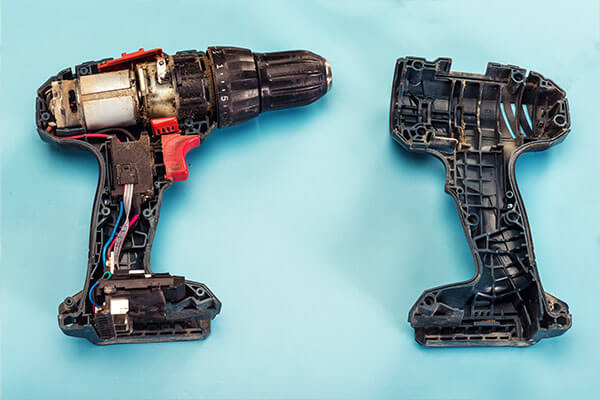
Defective and Dangerous ProdUCTS
Our firm's primary focus is representing victims injured by defective products like:
Machinery and Power Tools
Cars, Trucks, and Automobiles
Guns and Firearms
Hunting Equipment, Crossbows
Snow Blowers and Throwers
Bikes and Bicycles
Children's Toys and Products
Learn More
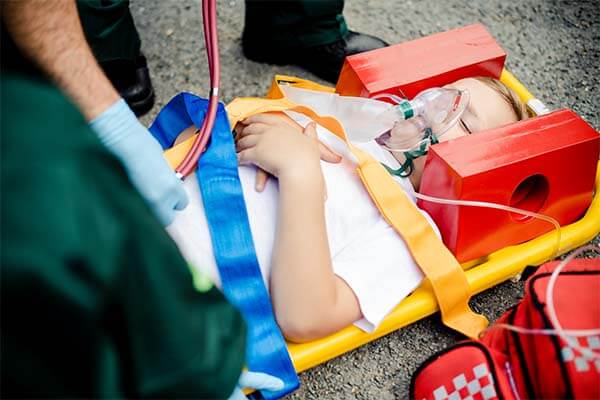
Infant and Child Injuries
We can help you receive compensation and justice if your child was injured due to:
Birth and Pregnancy Injuries
Dangerous and Defective Toys
Playground Accidents
Pedestrian and Bicycle Accidents
Learn More
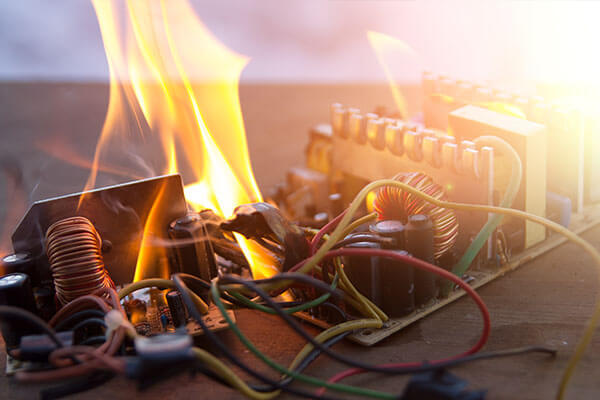
Burns and Hazardous Material Injuries
Our attorneys handle lawsuits and legal cases for personal injuries due to a variety of burns including:
Explosion-Related Litigation
Thermal and Fire Burn Injuries
Chemical Burns
Hazardous Material Injuries
Learn More

Brain and Spinal Cord Injuries
Spinal cord, brain, and concussion injuries are complex legal matters - our team has experience and expertise in working with:
Traumatic Brain Injuries (TBI)
Concussions
Pediatric Brain Injuries
Spinal Cord Injuries
Medical Malpractice
Learn More

Wrongful and Accidental Deaths
Negligence, in any form, can lead to a wide variety of personal injury lawsuits - sometimes it can, unfortunately, lead to death. Our team can represent the families and the estate of wrongful death victims to ensure fair compensation is received and justice is served.
Learn More
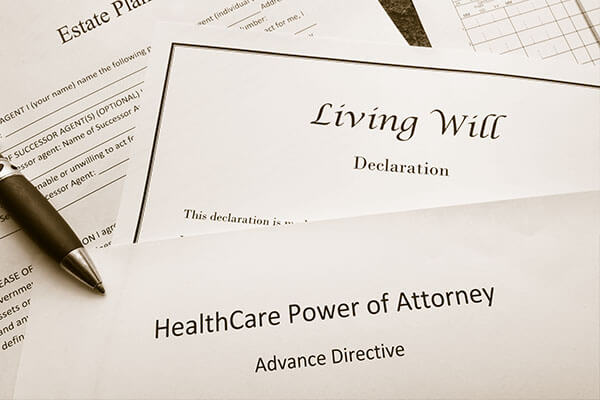
Estates, Wills, and Trusts
Navigating wills, trusts, and estates can be complicated and require attorneys experienced in understanding the various nuances and associated laws within. We provide valuable experience in:
Will and Trust Contests
Estate and Title Disputes
Recovery of Assets
Learn More

Workers' Compensation
At Schiffman Firm, we know how Pennsylvania’s workers’ compensation system works and — most importantly — how to make this system work for our clients.
Learn More

Business and Employment Litigation
Focused on delivering efficient and cost-effective business law solutions to small and midsized organizations - we provide ongoing counsel and legal services including:
Startups
Entity Formation (LLC)
Business Litigation
Business Transactions
Breach of Contracts
Learn More
